

Wheel of Consent® Workshops
Practical, embodied workshops for learning consent as a lived, relational skill.

The Wheel of Consent offers a clear visual framework and embodied practices that make consent tangible and practical.
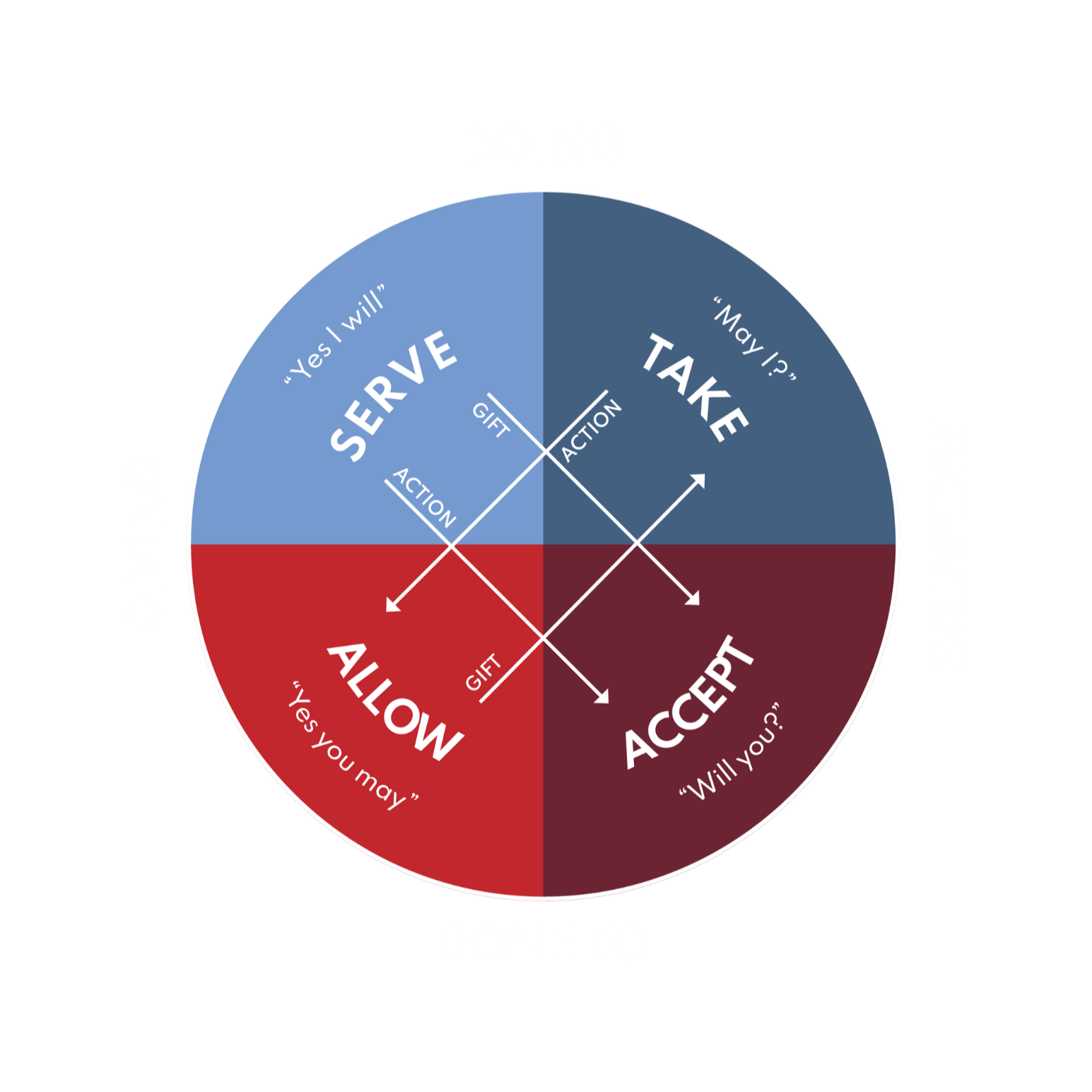
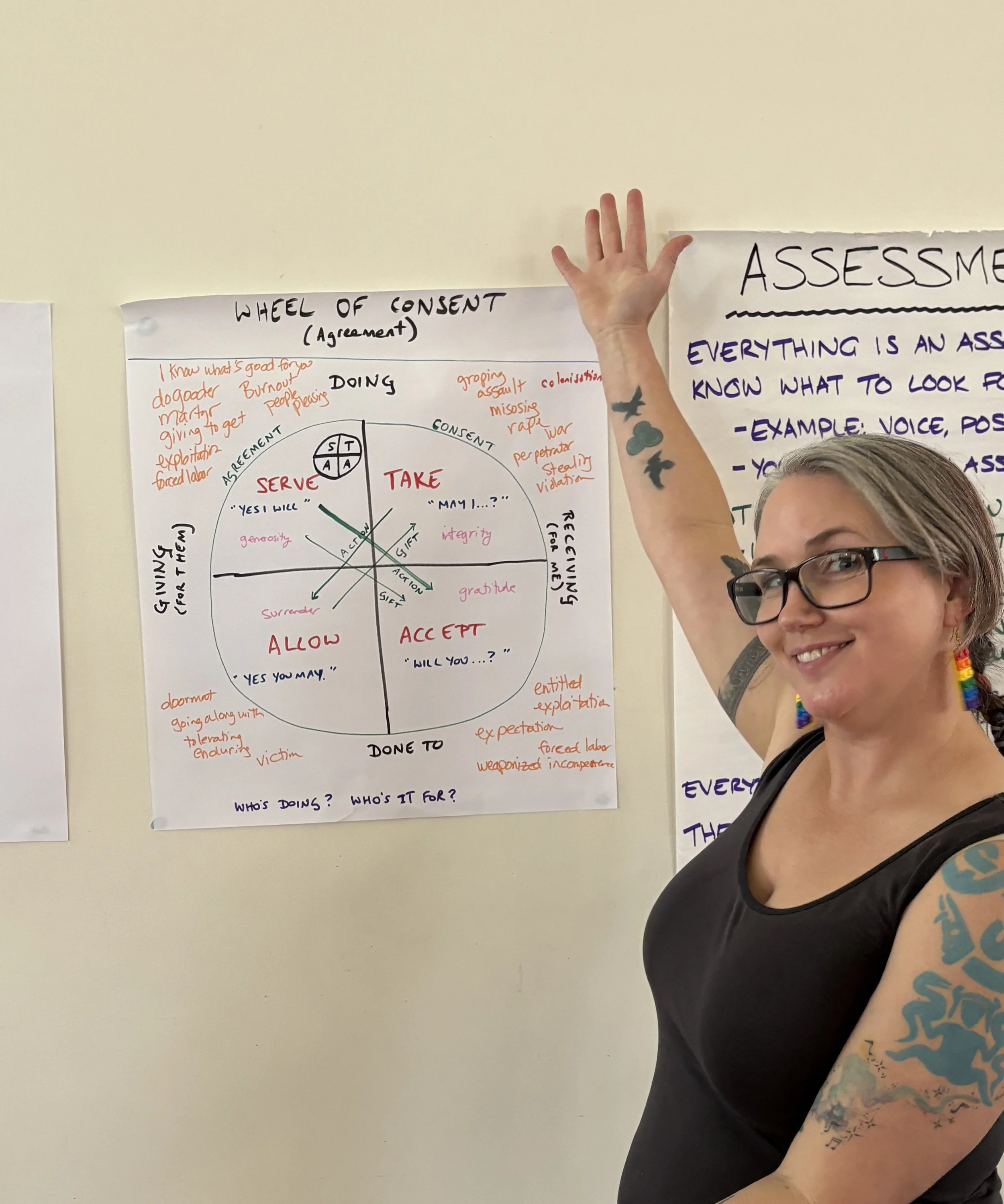
The Wheel of Consent® is a powerful framework developed by Dr Betty Martin for understanding consent through the lived experience of giving and receiving. Rather than focusing only on verbal agreements, the Wheel invites us to explore who an action is for, whose desire is being met, and how choice, agency, and boundaries are felt in the body.
Wheel of Consent workshops are taught by certified facilitators trained by the School of Consent®, of which Betty Martin was a founding member.
Vanessa K Vance is a certified facilitator who teaches one-, two-, and three-day intensive Wheel workshops, as well as four- and six-week series, both in person and online.
Wheel of Consent workshops build embodied skills in agreements, communication, and choice.
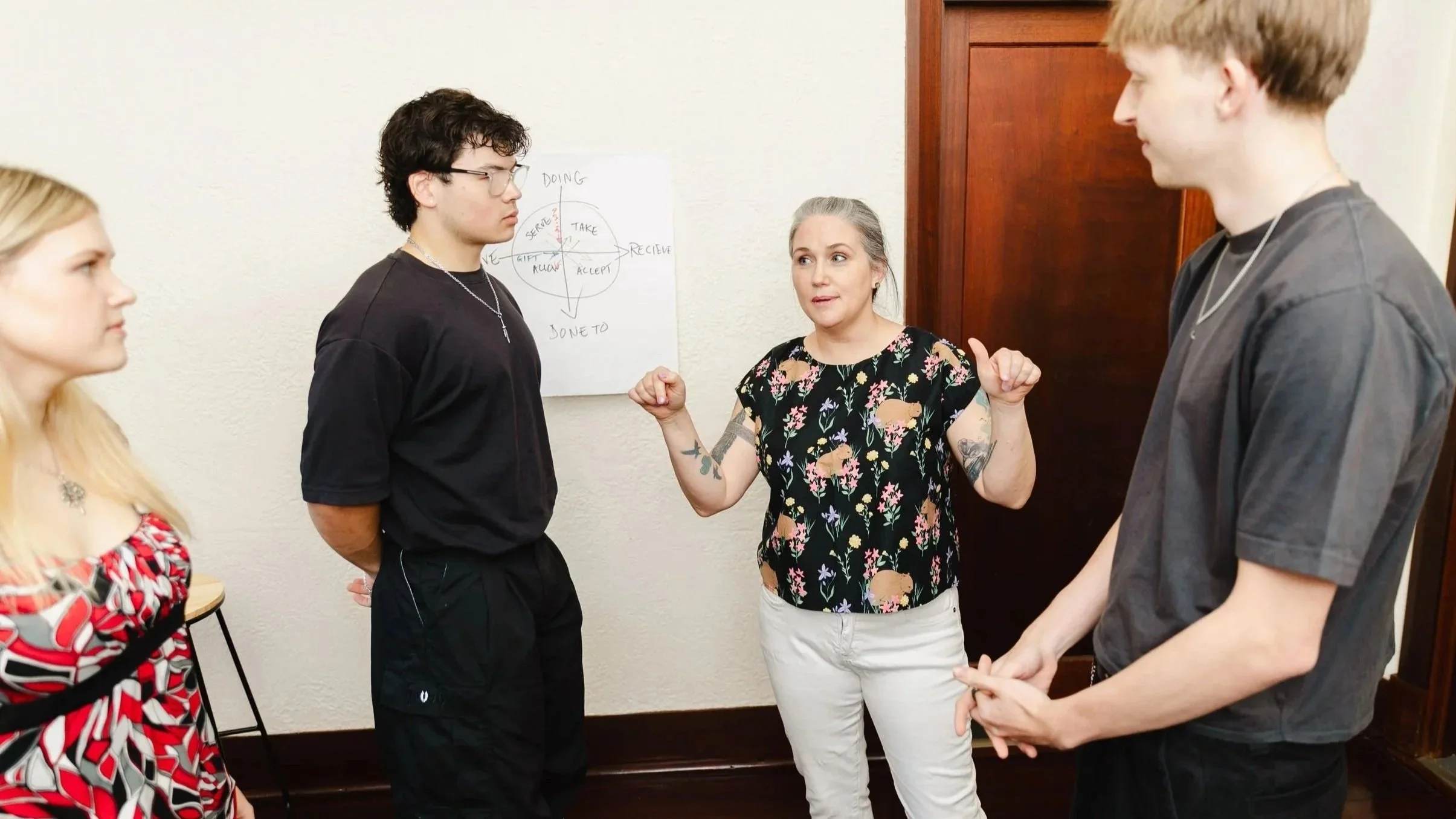
What we explore in a workshop
The four quadrants of the Wheel of Consent®
Giving and receiving and how these differ in the body
Tracking wants, limits, and internal signals
Asking for what you want and saying no with clarity
Navigating power, responsibility, and choice in relational spaces
Repair, self-reflection, and learning from moments of misalignment
Plus more!

How we work
Workshops are experiential, psycho-educational, and grounded in somatic awareness and reflective practice.
Activities may include:
Structured individual and partnered exercises
Optional, non-sexual, fully clothed touch practices (e.g. hand-to-hand or arm contact)
Movement, role-play, and embodied inquiry
Guided reflection and group discussion
All activities are opt-in, clearly explained, and designed to support choice, agency, and nervous system safety. There is no nudity or sexual activity. Participation will look different for everyone, i.e. observing or modifying exercises is welcome and common.
Choice is central to the Wheel of Consent including the way it is taught and learned.
Who is it for
Workshops are open to adults (18+) and are suitable for:
Individuals interested in personal growth and relational skills
People exploring consent, boundaries, and embodiment
Practitioners, therapists, educators, and other professionals wanting an embodied foundation in the Wheel of Consent
Anyone curious about how consent lives in the body, not just the mind
No prior experience with the Wheel of Consent is required.
What this workshop aims to support
A clear, embodied understanding of the Wheel of Consent
Greater confidence in asking, responding, and setting boundaries
Increased awareness of your own desires and limits
Practical skills you can apply in daily life, relationships, and professional settings
Language and embodied reference points for navigating consent with more ease and clarity
Greater trust in your capacity to notice, name, and respond to what feels true for you
Important notes
Workshops are educational and skills-based and do not involve counselling, psychotherapy, or clinical treatment.
Participants are responsible for their own self-care and pacing.
Confidentiality and respect for others’ experiences are core group agreements.
We use inclusive language and support participants to do the same, including using each person’s chosen pronouns.
Workshops include a mix of seated, floor-based, and movement activities. Chairs will be available, and most activities can be adapted for participants with mobility or physical access needs.
Comfortable clothing is recommended for sitting, lying down, and moving around.
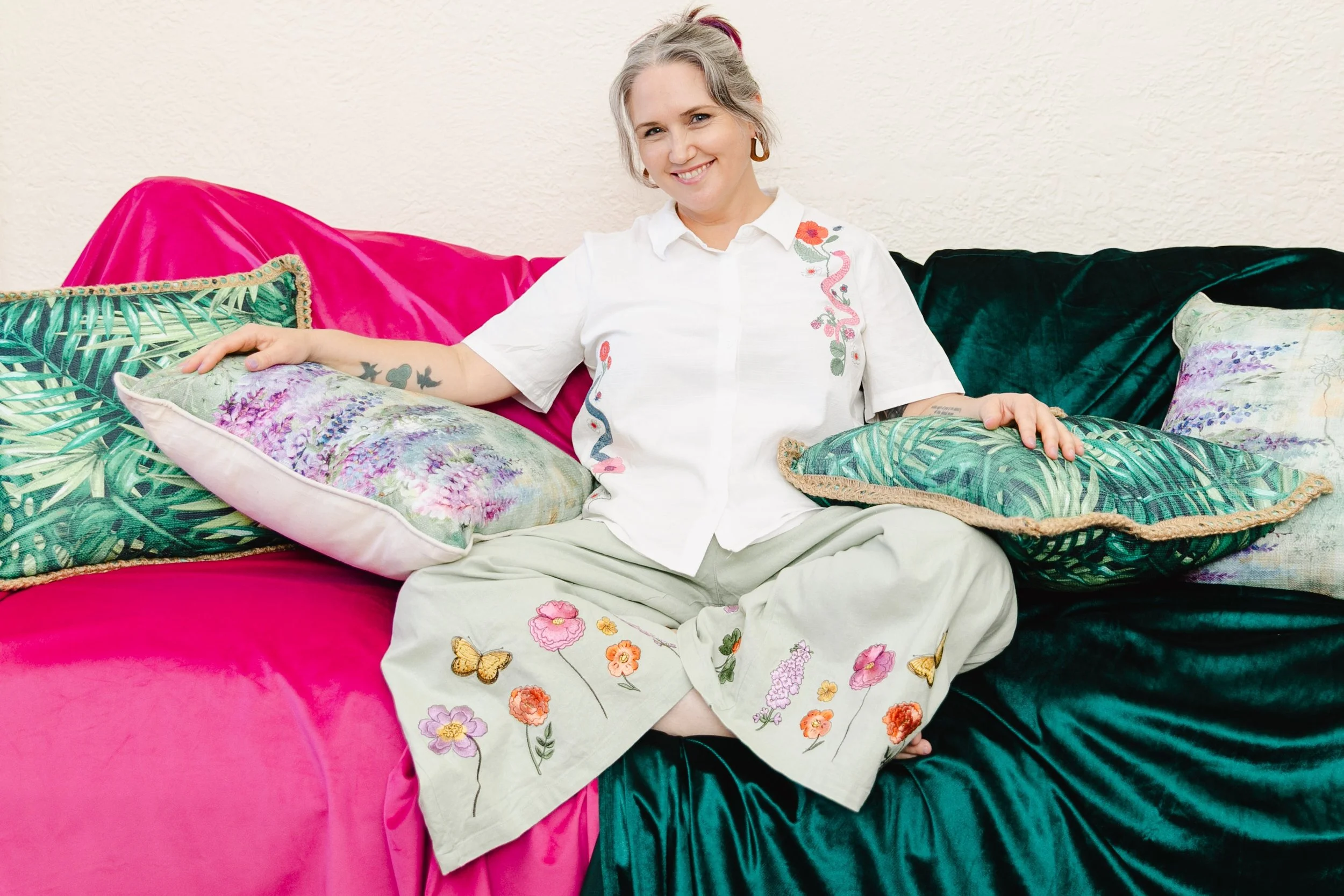
Bringing comfort items such as pillows, cushions, blankets, bolsters, or mats supports many of the practices. Some will be provided, but bringing your own is highly encouraged, and sharing is very welcome.
More info is available in the FAQs or in the individual workshop descriptions.
Learning comes not from doing, but from noticing what you choose and honouring that choice.
Frequently Asked Questions
These questions reflect common concerns about participation, safety, and fit at Wheel of Consent® workshops. If you have additional questions, you’re welcome to get in touch.
-
Absolutely. Many people attend on their own, and solo participation and observation are fully supported. You’re also welcome to attend with a partner or someone you know.
Depending on the practice, you may choose to work with the person you attend with, with different people, work solo, or observe. Many people find they learn different things when working with different partners; all of these options are welcome and never required.
Wheel of Consent workshops are structured for individual learning within a group setting, rather than focusing on specific relationships in the room. This means it is not a couples workshop. Consent Craft offers couples workshops using some of the Wheel of Consent principles from time to time, but these are separate events.
-
Choice is central to the Wheel of Consent. We intentionally create space for choosing how you would like to participate at every stage of the workshop and you will never have to justify that choice to anyone.
Noticing your wants and limits, how they may change at any moment, and communicating that to others in respectful ways, is part of the practice; including learning to hear a “No” and being OK with that!
-
Our bodies are wired to receive touch as beneficial when it is wanted. Sensory input plays an important role in wellbeing and regulation.
This workshop uses a somatic learning approach, meaning learning happens through direct experience as well as reflection on body sensations and feelings. Sensory and tactile information from the skin can offer direct, valuable feedback about boundaries, comfort, desire, and response, supporting a deeper and more embodied understanding of consent.
Touch is used as a learning tool in some practices and is structured and guided by the facilitation team. All touch is non-sexual, fully clothed, clearly negotiated, and opt-in. You are always welcome to decline, modify, observe, or choose non-touch alternatives.
In our culture, touch and sex are often blurred together. Many people experience touch primarily as a pathway to sex or use sex to get touch needs met. Separating touch from sex opens up a much wider range of experiences, pleasures, and forms of connection, allowing touch to be explored as rich and meaningful in its own right.
-
There is no nudity, sexual activity, or genital contact in these workshops. Any touch practices offered are optional, non-sexual, fully clothed, and clearly negotiated. Separating touch from sex opens up a much wider range of experiences, pleasures, and forms of connection, allowing touch to be explored as rich and meaningful in its own right.
Consent is often most tested and most charged in sexual contexts, which is why many people are drawn to learning about it. While the Wheel of Consent can be applied in sexual contexts, this workshop focuses on building the underlying skills of choice, communication, boundaries, and responsibility, which can then be applied across many areas of life, including intimacy.
The practices are non-sexual not only for safety or appropriateness, but as a deliberate learning choice. Sexual contexts are shaped by established habits, scripts, and pathways to pleasure, which can make it harder to notice what is actually happening in moments of consent. Taking sex off the table helps interrupt these patterns and supports clearer learning.
This approach also makes consent more visible as something broader than sex. By removing sexual content, participants can more clearly experience consent as a relational and embodied process that operates across everyday interactions.
-
This workshop is open to people of all genders and bodies. The content and delivery do not separate participants along gender lines or require anyone to operate from fixed or prescribed gendered roles.
Gender can shape how we are socialised around desire, boundaries, power, and responsibility, and these influences often show up in consent dynamics. The Wheel of Consent invites a spacious and liberating exploration of consent, supporting participants to reflect and transform habitual or socially conditioned patterns around gender and power.
Inclusive language is used throughout the workshop, and we explicitly create a culture in which names and pronouns are respected. Participants are asked to share their first name and pronouns with no expectation to disclose or explain identity. Care is taken to support a respectful and inclusive learning environment for people of diverse genders and experiences.
-
A range of responses can arise when exploring consent and embodied experience. The work is intentionally slow and spacious, with time built in for choice, reflection, and adjustment. This pacing supports participants to titrate their experience, engaging gradually and responding to what feels manageable moment by moment.
You are encouraged to care for yourself and to move at your own pace. You’re always welcome to pause, step back, observe, modify an activity, or take a break as needed. Learning comes not from doing, but from noticing what you choose and honouring that choice.
The workshop is educational rather than therapeutic. There is no individual or group processing about psychological material, and no requirement for personal disclosures. Sharing is focused on what you are noticing and learning about yourself. You get to choose how and what best serves you in the moment.
Support is available from the facilitation team to explain, encourage, clarify, listen and advise about the activities and your responses, if it feels helpful. However, participants are responsible for their own self-care and are encouraged to seek professional support outside the workshop if needed.
-
Wheel of Consent workshops aim to be as accessible and inclusive as possible within the limits of a group. Some access considerations may vary depending on location, format, and timing.
The following general information is provided to support informed choice. Please also refer to individual event listings for access and inclusion details specific to each workshop, and feel free to get in touch if you have questions.
Physical Access & Movement
Workshops include a mix of seated, floor-based, and gentle movement activities
Chairs are available at all times
Activities can be adapted for participants with mobility or physical access needs
Participants are welcome to change positions, rest, or step out as needed
Sensory & Nervous System Considerations
The work is intentionally slow and spacious, with time built in for choice and integration
Sessions may include music, movement, optional touch, and periods of quiet reflection
Lighting and sound are generally aimed at medium to low, though this varies by location and group.
You are welcome to step outside, take breaks, or observe rather than participate
Touch & Participation
Touch is optional, non-sexual, fully clothed, clearly negotiated, and guided
Non-touch alternatives are always available
Participation is opt-in, and choosing not to participate is fully supported
Emotional Safety & Scope
This is an educational workshop, not a therapy group
The work does not invite the sharing of trauma stories
Activities may evoke sensations, emotions, or thoughts as part of embodied learning
Participants are responsible for their own self-care and pacing
Gender, Language & Inclusion
Workshops are open to people of all genders
Content and delivery do not separate participants along gendered lines
Inclusive language is used throughout
We explicitly create a culture where names and pronouns are respected
There is no expectation to disclose identity or personal details beyond your name and pronouns
Communication & Social Interaction
There is no requirement to speak in the group, though most paired activities involve verbal communication with a partner
Clear instructions and structured practices are provided
Food
In-person events are generally non-residential, and meals are not catered
Tea, coffee, and snacks are provided for workshops of one day or longer and aim to be vegan, nut-free, and gluten-free
If you have a severe allergy, please advise prior to booking
Questions & Support
If you have access needs, sensory considerations, or questions about whether a workshop will be a good fit for you, you’re warmly invited to contact me prior to booking. While not all needs can be accommodated, I’m happy to have a conversation where possible.
-
Power and social context are recognised as important influences on consent, but are not explored in depth within Wheel of Consent workshops. Conversations about power, identity, and social context can be rich, challenging, and deeply transformative, and they are also substantial areas of learning in their own right. For this reason, they are best supported in spaces specifically designed and facilitated by those whose work centres these topics.
The wheel workshops are designed to support learning across diverse bodies, identities, and lived experiences, while keeping the focus on embodied choice and relational practice rather than discussion or debate. While the Wheel of Consent® is the primary framework, facilitation may at times draw on additional consent-aligned approaches to support ethical use of power, responsibility, and care within the group. These are used to support the learning environment rather than taught as separate content, with optional resources shared for those who wish to explore further.
This work recognises that consent does not happen in a vacuum, and that social conditioning and power dynamics can shape how choice, boundaries, and responsibility are experienced. Like all group spaces, this workshop includes power dynamics, and awareness of these can support both individual and group learning. Participants are invited to notice influences where they feel relevant, without pressure to analyse, disclose, or explain personal history.
In a group of people with diverse identities and experiences, moments of disagreement, misattunement, or discomfort will naturally arise from time to time. In consent-based learning spaces, these moments can also offer opportunities for reflection and learning as we navigate moving from rupture to repair (a life-long skill and practice!). Support from the team is available if needed. The facilitation team holds responsibility for the overall safety and integrity of the group, and for addressing issues that affect the group as a whole. Participants are not expected to manage significant conflict or harm on their own, and clear boundaries and processes are in place to support care, clarity, and appropriate responsibility if something does not go well; including if it involves the facilitation team. This is discussed in the group guidelines and agreements at the beginning of each workshop.
If you have any further questions about this please reach out for a discussion.